
Boutique Hotels That Feel Like Private Residences
Where hospitality moves closer to the feeling of home
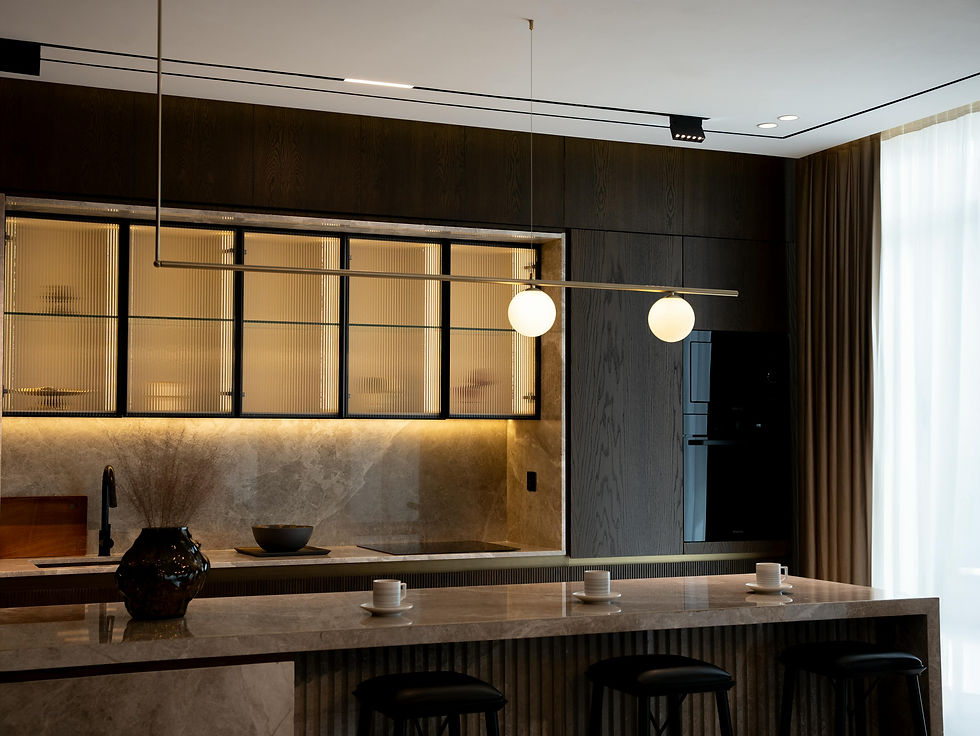
There is a noticeable shift happening in hospitality.
Hotels are beginning to feel less like places you pass through and more like places you settle into. The change is subtle at first. A larger table. A softer chair near the window. Lighting that feels considered rather than fixed.
Then it becomes something more.
The room begins to feel like it was designed to be lived in.
This movement toward residential design is not simply aesthetic. It reflects a broader change in how people travel. Stays are becoming longer. Work and leisure are blending. Guests are looking for environments that support daily life, not just temporary escape.
In response, a number of boutique hotels are redefining what it means to host.
Hotel Esencia — Tulum
Hotel Esencia carries a quiet sense of privacy.
The suites are expansive, but never excessive. Interiors are restrained, with natural materials and soft tones that reflect the surrounding landscape.
Large windows open to greenery, allowing the outside to become part of the experience.
It feels less like a hotel and more like a secluded home.
Time slows here naturally.
The Greenwich Hotel — New York City
The Greenwich Hotel is often described as intimate, but what defines it more clearly is its sense of lived-in comfort.
Each room feels distinct. Textures are layered. Lighting is warm and human. There is an intentional lack of uniformity that creates familiarity rather than distance.
The spaces invite use. Books are meant to be opened. Chairs are meant to be sat in for hours.
It feels like a residence that has evolved over time.
Ett Hem — Stockholm
Ett Hem translates directly to “a home,” and the experience reflects this fully.
The property is structured around shared spaces that feel personal rather than public. Kitchens, living rooms, and dining areas are designed to be used, not observed.
Guests move freely. Meals feel informal. The boundaries between hotel and home soften almost completely.
It is hospitality at its most intimate.
Villa La Coste — Provence
Villa La Coste offers a different interpretation of residential hospitality.
Set within a vineyard, the suites are minimal but expansive.
Architecture, landscape, and interior design are seamlessly connected. The feeling is not one of decoration, but of alignment.
Spaces feel quiet, intentional, and deeply grounded in their surroundings.
It is a residence shaped by land as much as by design.
The Dewberry — Charleston
The Dewberry balances structure with softness.
Mid-century influences are present throughout the interiors, but they are expressed with restraint. Rooms feel tailored rather than styled. Materials are rich but never overwhelming.
There is a sense of clarity to the design. Everything has a place. Everything serves a purpose.
The result is a space that feels both elevated and comfortable.
Aman New York — New York City
Aman New York represents the most refined end of this shift.
The suites are expansive, but what defines them is not scale. It is control. Light, material, and proportion are managed with precision. Every element contributes to a feeling of calm.
The space does not ask for attention. It creates an environment where attention can settle.
It feels less like a hotel and more like a private world.
Closing Reflection
The hotels that feel most memorable today are not always the most dramatic.
They are the ones that understand how people live.
They consider how a guest wakes, works, rests, and moves through space. They create environments that support these rhythms rather than interrupt them.
In doing so, they shift the role of hospitality.
From temporary accommodation
to something closer to belonging.
And in that shift, the line between hotel and home becomes less defined.
— Maison Comblé


Comments